...we are moving into a very different and profoundly preferable state of consciousness...
Showing posts with label Mexico. Show all posts
Saturday, 6 February 2016
Friday, 16 October 2015
day of the dead
![]() |
| Lady of Duality by Rick Ortega |
The Day of the Dead is celebrated all over central and southern Mexico at the end of October and beginning of November `It was originally held at the beginning of summer but the date was changed as Christianity merged with the native Mexican animistic ways. This video is at Oaxaca.
“The observation of Dia de Muertos, Day of the Dead, is seen throughout Mexico, and increasingly by people of other ethnicities and backgrounds who lacking a ritual of their own have found a heart-home where they can honor their ancestors and other loved ones who have crossed over. We are happy to share our beautiful ritual with persons who approach it with reverence, lightness of spirit, and an understanding that Dia de Muertos is not Halloween but a sacred remembering... a sacred witnessing of the joys and sorrows of our ancestors, and a celebration of the strength of spirit of their descendants to preserve the soul of this sacred pre-contact tradition.
As a result of colonization Dia de los Muertos now take place on November 1 and 2, in connection with the Catholic holidays of All Saints' Day and All Souls' Day. Typically November 1 is to honor children and infants, known as Día de los Inocentes (Day of the Innocents) and as Día de los Angelitos (Day of the Little Angels). November 2nd honors adults and is known as Día de los Muertos and Día de los Santos Difuntos (Day of the Holy Dead). Before Mexico’s invasion by the Spaniards these holy days took place in August, and were celebrated for an entire month. The festivities were dedicated to Mictecacihuatl known as the "Lady of the Dead" and corresponds to the modern Catrina.
Dia de Muertos is when we gather to pray for and invite friends and family members who have died to come and enjoy some time with us within whose hearts they yet live. We build altars to their memory at home and in public places. Some altares are simple and some elaborate. Often we will hold vigils at the cemetery taking our time to lovingly clean the headstones, place candles and bouquets of cempaxochitl (marigolds) on graves, toys (in the case of children), pan de muerto, tamales, drinks, and incense burners filled with copal. It is not uncommon for us to take lawn chairs to the cemetery and sit for hours recounting favorite anecdotes and memories of special days and hire a small Norteño or mariachi group to play favorite songs that our beloveds enjoyed when alive. It's both a sad and joyful time!
In the coming days I will be posting photographs, videos, and articles on Dia de los Muertos and hope that what is shared helps you celebrate the life of your loved ones while at the same time honoring this important tradition, which is the religious and cultural legacy of the ancestors of Mexihca, Mayan, and other Native people’s of Mexico.”
— Grace Alvarez Sesma
http://www.curanderismo.org/
(Respectfully, please keep in mind that this is a specific religious cultural observance. Used outside of that as in a winter solstice celebration or Halloween dress up or other non-Dia De Muerto observance, could be considered cultural appropriation, especially when done by someone who is not a member of the original Mexican community. By this I mean taking one or more elements of a cultural ritual and using them in a different context for which it was intended.)
Labels:
curanderismo,
day of the dead,
Grace Alvarez Sesma,
Mexico,
Oaxaca
Thursday, 15 October 2015
entering the flower world
![]() |
| Curandera by Alberto Rojo of Arte Tolteca |
"The curandera is not only a healer of the body, but also a restorer of faith in one’s own inner wisdom.... The curandera guides us in non-judgmental, fearless self-reflection. By sharing both happy and painful personal experiences, she gives us both a reality-check and inspiration to follow our dreams. In many instances she is a spiritual midwife, helping us give birth to new paths and new ideals. She helps us recognize the unconscious creation of obstacles to a life lived with sacred purpose, whether as homemaker, student, teacher, or doctor."
—Grace Alvarez Sesma
Excerpt from the chapter, Entering the Flower World, a Mexican Path to The Soul, from the book, Meditations for Interspiritual Wisdom.
Thursday, 8 October 2015
amaranth the astronaut food
I have just been enjoying a delicious cacao and amaranth drink . A lot of tips can be picked up about happy healthy food from the traditions of Mexico
"The nutritional benefits of amaranth are so important that it has become food for astronauts. It's protein is superior to other cereals and it's nutritional value is higher than cows' milk.
The amaranth has been so important in the diet of the Aztecs and other civilizations of the New World, makes the study of this culture is something extraordinary and promising. However, it is one of the many underutilized food crops in Central and South America.Like quinoa, amaranth was selected by NASA to feed astronauts for their high nutritional value for their full use, for the brevity of his crop cycle and its ability to grow in adverse conditions. "
http://www.amaranto.com.mx/salud/propiedades/propiedades.htm
This does translate to English when you open it in google.
Tuesday, 8 September 2015
sustainable iboga
All species are sacred but there are some plants such as iboga which vividly represent the special symbiotic connection between humans and plants.
It has been interesting how the ibogaine culture has been constellating in Mexico, a land where many psychoactive plants grow, but not, until now iboga. I was remarking on this recently and within days was invited to participate in a project to grow iboga plants in Mexico.
This is a very exciting world to be involved in. It seems that there is an epidemic amongst humanity right now, namely chemical addiction, which can only be truly healed with the use of natural psychoactive plants. I have felt for a long time that enthaegenic nutrition is a necessary part of our future, in order to thrive on this planet; indeed it was part of our past. This situation currently developing is an epic part of the unfolding of the human story.
"Keystone species have the potential to teach us so much about whole ecosystems. And there are not so many examples of species like this that are also so central to human cultures, and provide such a gateway to point at how deeply inseparable we are from nature. I think that this issue is more complex than what I could write in this short article, but I hope that it continues to push for this discussion and for action in the ibogaine community.
With ibogaine we have such a rich opportunity to apply the all sorts of transformation ideas, like the overlap between deep ecology and psychology, permaculture design for healing spaces, and the ideas that Charles Eisenstein lays out in Sacred Economics. I hope that more people become involved in this discussion so we can use this opportunity to keep putting these principles directly into practice. "- Jonathan Dickinson, Director, Global Ibogaine Therapy Alliance
http://realitysandwich.com/318253/toward-sustainable-use-iboga/
It has been interesting how the ibogaine culture has been constellating in Mexico, a land where many psychoactive plants grow, but not, until now iboga. I was remarking on this recently and within days was invited to participate in a project to grow iboga plants in Mexico.
This is a very exciting world to be involved in. It seems that there is an epidemic amongst humanity right now, namely chemical addiction, which can only be truly healed with the use of natural psychoactive plants. I have felt for a long time that enthaegenic nutrition is a necessary part of our future, in order to thrive on this planet; indeed it was part of our past. This situation currently developing is an epic part of the unfolding of the human story.
"Keystone species have the potential to teach us so much about whole ecosystems. And there are not so many examples of species like this that are also so central to human cultures, and provide such a gateway to point at how deeply inseparable we are from nature. I think that this issue is more complex than what I could write in this short article, but I hope that it continues to push for this discussion and for action in the ibogaine community.
With ibogaine we have such a rich opportunity to apply the all sorts of transformation ideas, like the overlap between deep ecology and psychology, permaculture design for healing spaces, and the ideas that Charles Eisenstein lays out in Sacred Economics. I hope that more people become involved in this discussion so we can use this opportunity to keep putting these principles directly into practice. "- Jonathan Dickinson, Director, Global Ibogaine Therapy Alliance
http://realitysandwich.com/318253/toward-sustainable-use-iboga/
Sunday, 23 August 2015
global ibogaine conference
I am so excited about this event and have booked my early bird ticket already. I am thrilled that this conference at this location too, , because this village is somewhere I am very keen to visit. There seems to be a constellation of ibogaine activity in Mexico, although the root it comes from, iboga, actually grows in Africa. It makes sense though because of the character of Mexico, in terms of both the people and the land. You can read an article I recently wrote about ibogaine treatment here: http://foodforconsciousness.co.uk/ibogaine-miracles/. I am available by phone or email to advise anyone considering this kind of experience (contact details in the article).
Regarding the conference:
http://www.ibogaineconference.org/
Ibogaine as a Contemporary Therapeutic Tool
Between March 14-16th, 2016, the Global Ibogaine Conference will convene experts from around the world to discuss ibogaine therapy, the climate of global drug policy, and the sustainability and traditional uses of Tabernanthe iboga.
Since the 1980s ibogaine has increasingly been used experimentally in the detoxification from opiates and as a treatment for substance use disorders. Early clinical trials confirmed some very promising initial reports, but were later suspended because of funding and litigation. Ibogaine’s use has continued to grow, from the early peer-to-peer drug user networks, to today when ibogaine is administered under compassionate access or experimental legal frameworks in some progressive hospitals, medical centers, retreats, and private therapeutic practices around the world. The landscape of ibogaine research and practice has changed dramatically. Today clinical investigations are being re-initiated looking not only at its use in addiction treatment, but also other conditions.
The conference will be held at the Jardin de la Abundancia hotel in Tepoztlan, Mexico.
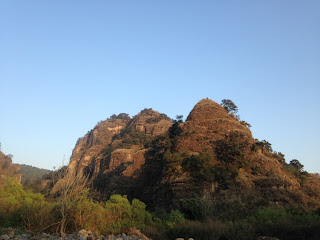
Tepoztlan, also known locally as “Pueblo Magico,” is a beautiful small village located just more than an hour outside of Mexico City in the state of Morelos. It’s home to Tepozteco, an ancient Aztec pyramid that overlooks the valley from the surrounding mountains, as well as a large market that expands from the plaza to fill the town’s main streets during the weekend.
Regarding the conference:
http://www.ibogaineconference.org/
Ibogaine as a Contemporary Therapeutic Tool
Between March 14-16th, 2016, the Global Ibogaine Conference will convene experts from around the world to discuss ibogaine therapy, the climate of global drug policy, and the sustainability and traditional uses of Tabernanthe iboga.
The conference will be held at the Jardin de la Abundancia hotel in Tepoztlan, Mexico.
Tepoztlan, also known locally as “Pueblo Magico,” is a beautiful small village located just more than an hour outside of Mexico City in the state of Morelos. It’s home to Tepozteco, an ancient Aztec pyramid that overlooks the valley from the surrounding mountains, as well as a large market that expands from the plaza to fill the town’s main streets during the weekend.
Sunday, 12 July 2015
chamula indigenous village
Chamula, a large indigenous village or pueblo near San Cristobal de las Casas is known for it's crazy (in the nicest possible way) mix and clash of Christian and traditional religion in it's beautiful church. To go inside the church is a breathtakingly beautiful experience. When I was there it was decked with an abundance of beautiful white flowers, the floor was strewn with pine branches, copal incense saturated the air and zillions of candles were burning which lit the whole place up.
At first glance it would appear that people were praying to the Catholic Saints but it turns out the pictures are there to represent ancestors! There are three 'negatives' that have been demoted to the back of the church: a depiction of hell, the cross and the baptism font. Apparently the worshippers now accept baptism but not mass. Photography is forbidden inside the church, which further adds to the mystique. I am not sure it would be possible to capture the ambience there anyway.
I was just as fascinated by the sheep and wool at Chamula. Sheep were introduced to Mexico through the Spanish conquest. People in the colder highland regions began making clothes from wool at this time. In Chamula the women wear amazing thick wool skirts which they make from the wool of these black sheep. The sheep are never killed for meat but are sheared carefully and kindly. They also knit cardigans and jackets from the wool, which still naturally smell of the lanolin.
Sunday, 5 July 2015
Wednesday, 20 May 2015
Tuesday, 7 April 2015
rite of passage
Ibogaine takes the human who journeys with it into a deep revelatory experience, a review of life situations including traumas, with the necessary detachment to process them. Its addiction healing powers were first discovered in the industrialised world accidentally and serendipitously in 1962 by New Yorker Howard Lotsof, who is featured in this documentary. He was addicted to heroin at the time, took a dose of ibogaine (estimated to be about 500 mg) for fun then realised he had lost interest in drugs and had a new life path.
Ibogaine has been traditionally extracted from the bark of the iboga plant by the Bwiti people in Gabon. Nowadays there are alternative ways of producing it too.
It is the only known effective treatment for several addictions. Perhaps because it offers a true rite of initiation; the experience and connection that is being truly sought. The way it, within hours, relieves withdrawal symptoms and addiction is becoming widely known. It is important to take initiatory doses of ibogaine in safe conditions (there are treatment centres around the world) and also move forward afterwards into a new phase of life because that is what is really being sought in a rite of passage.
Subscribe to:
Posts (Atom)